
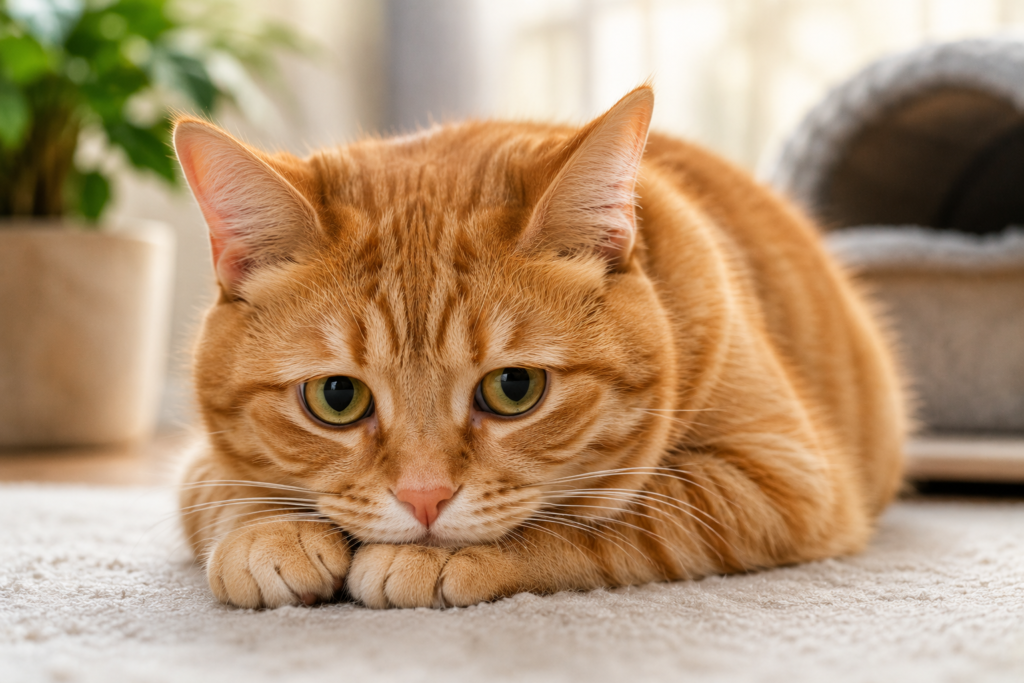
Cats are often seen as calm and independent, but like humans, they can also experience stress. The problem is that cats are experts at hiding pain and emotions, which means many pet owners miss the early cat stress signs until the behavior becomes serious.
If your cat starts becoming more secretive, meows much more than usual, or suddenly acts differently, it may be trying to tell you something is wrong. Recognizing cat stress signs early can help you protect your pet’s physical and emotional health before the situation gets worse.
In this guide, you’ll learn the most common cat stress signs, what causes stress in cats, and simple ways to help your cat feel safe, calm, and relaxed again.
What Are Cat Stress Signs?
Signs of cat stress are changes in the cat’s body or behavior when a cat is anxious, unsafe, overwhelmed, or uncomfortable. Stress can change a cat’s attitude, posture, eating habits, grooming habits, and general behavior.
Cats, unlike dogs, tend to keep their feelings to themselves. Instead, the symptoms of a stressed cat are often subtle.
A stressed cat may hide more, avoid interaction, stop eating, or become aggressive all of a sudden.
Even minor changes in your home can cause cat anxiety signs. Some cats can get anxious and insecure about furniture being moved, loud noises, guests, or a new pet.
Why do Cats Hide Stress Better Than Other Pets?
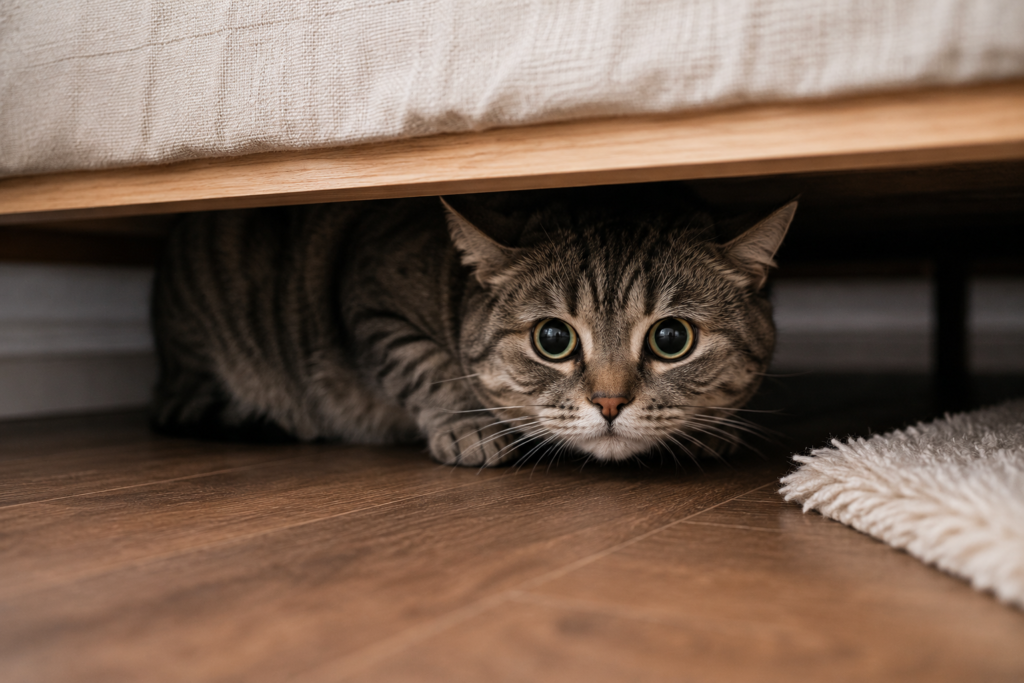
Cats are naturally suspicious creatures. If they showed weakness in the wild, they could become prey to predators.
This instinct causes cats to hide illness, fear, and emotional stress.
This is why many pet owners only notice changes in cat behavior when the stress becomes severe. A cat may be eating and acting normally, but silently suffering emotionally.
Minor stressors can slowly affect a cat’s immune system and overall health. That’s why spotting early signs is so important for responsible cat care.
9 Most Common Cat Stress Signs
1. Excessive Hiding or Isolation
One of the most common signs of stress in cats is hiding for extended periods. Your cat may start spending more time than usual under the bed, behind furniture, or in closets.
Cats hide when they feel threatened or unsafe. If your usually social cat is suddenly shunning everyone, then it could be down to stress.
Common causes include:
- New pets
- Loud sounds
- Visitors
- Changes in routine
- Moving homes
2. Sudden Aggression or Irritability
A stressed cat may hiss, scratch, bite, or swat out of the blue. Even calm cats can get defensive when they are anxious.
Aggression related to stress usually occurs when the cat feels threatened or trapped. In cats, emotional stress is often expressed as irritability or quick changes of mood.
Watch for these warning signs:
- Tail flicking
- Flattened ears
- Growling
- Dilated pupils
3. Overgrooming and Hair Loss
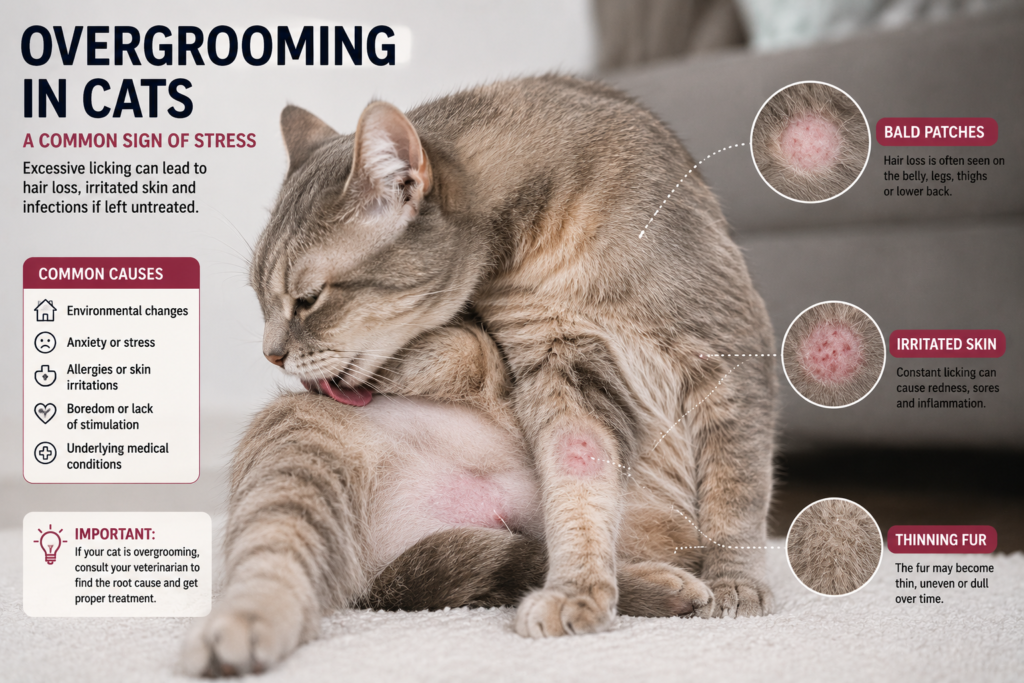
Stressed cats will often lick themselves a lot to soothe themselves. Grooming releases comforting chemicals in the brain, but too much grooming can lead to bald spots or skin irritation.
Commonly affected by overgrooming:
- Belly
- Legs
- Inner thighs
If you see that your pet is shedding hair or grooming himself nonstop, it might be suffering from stress.
4. Changes in Appetite
Stress has an enormous effect on feeding behavior. Cats become picky eaters or overeat due to being stressed.
Some manifestations of stress are the following:
- Ignore food
- Eat less than normal
- Beg for food constantly
- Lose weight
Never ignore appetite shifts since they might also signal sickness.
5. Litter Box Problems
One of the worst stress-related behaviors in cats is their tendency to pee outside their litter boxes.
This usually happens when a cat feels stressed out, threatened, or scared.
The following are stress-related litter box issues:
- Peeing outside the box
- Spraying walls
- Avoiding the litter tray
- Frequent urination
Note that urine infection can have the same symptoms, so consult your veterinarian.
6. Excessive Meowing or Silence
Changes in vocal behavior are the most important cat stress sign.
Some stressed cats become very loud and vocal, while others become quiet.
You may notice:
- Constant meowing
- Yowling at night
- Hissing
- Growling
These sounds are your cat’s way of expressing stress or anxiety.
7. Strange Body Language
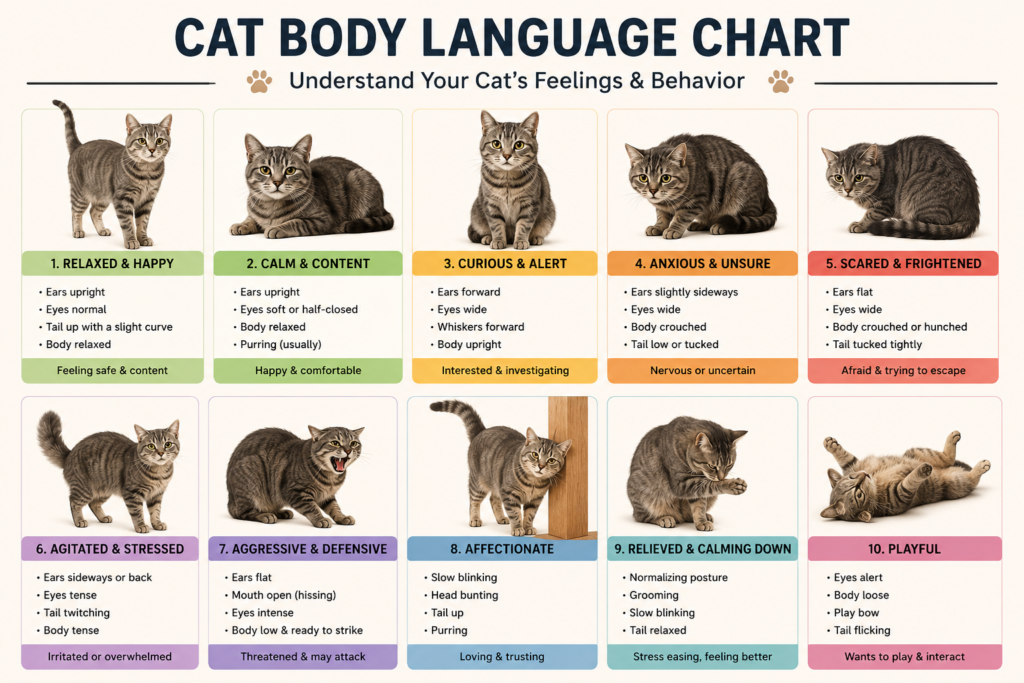
Cats know how to communicate their emotions through body language. Learning stressed cat body language can help you notice such problems early.
Common signs include:
- Flattened ears
- Wide pupils
- Tucked tail
- Tense muscles
- Low posture
These signals usually appear before other symptoms become obvious.
8. Sleeping More Than Normal
Cats sleep a lot, but stress can increase tiredness and anxiety. A stressed cat may ignore activity and sleep more than usual.
Low energy can happen because emotional stress drains both mental and physical energy.
9. Digestive Problems
Stress not only affects emotions. It can also affect digestion.
Some feline stress symptoms include:
- Vomiting
- Diarrhea
- Constipation
- Reduced water intake
Digestive issues caused by stress are common during environmental changes or anxiety.
Common Causes of Cat Stress
Moving to a New Home
Cats love familiar environments. Moving can change comforting smells and routines, making cats feel stressed.
New Pets or Family Members
Cats may feel uncomfortable around unfamiliar animals or people.
Loud Noises
Construction sounds, fireworks, loud music, or shouting can trigger anxiety in sensitive cats.
Lack of Routine
Cats feel safest with daily routine schedules. Sudden routine changes can increase stress levels.
Multi-Cat Household Conflicts
Living with other cats can sometimes create competition for food, space, toys, or attention.
Boredom and Lack of Enrichment
Indoor cats need mental peace. Without toys, climbing spaces, and interaction, stress can develop over time.
Physical vs Emotional Cat Stress Signs
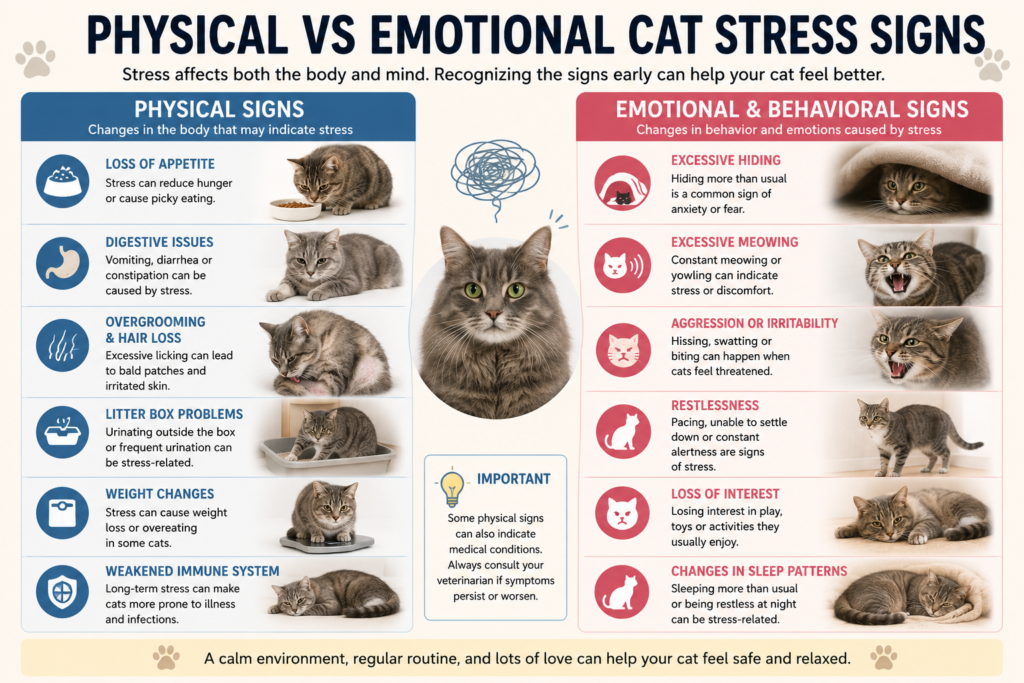
Physical Symptoms | Emotional and Behavioral Symptoms |
Vomiting | Hiding |
Hair loss | Aggression |
Loss of appetite | Anxiety |
Diarrhea | Excessive meowing |
Urinary problems | Isolation |
Weight loss | Fearful body language |
This comparison helps cat owners understand how stress affects the body and mind.
How to Calm a Stressed Cat Naturally?
Create a Safe Space
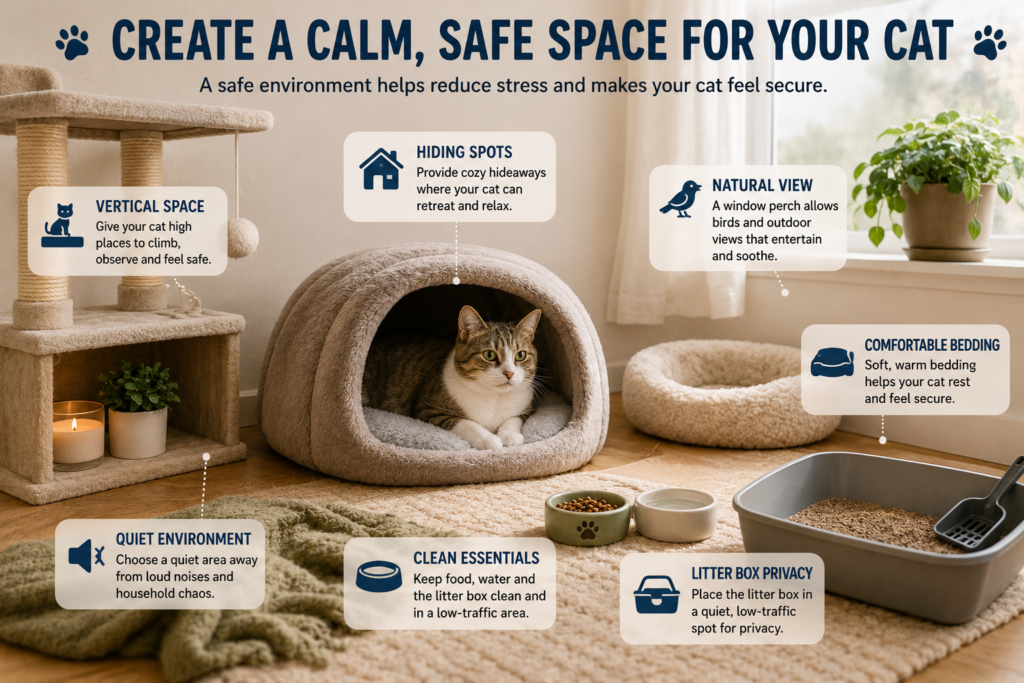
Give your cat a peaceful area where they can relax without disturbance. Cats feel safer when they have hiding spots.
Helpful options include:
- Cat trees
- Cozy beds
- Covered hiding areas
- Quiet rooms
Maintain a Consistent Routine
Feed your cat at the same time daily. Keep litter boxes clean and avoid sudden environmental changes.
Routine helps reduce anxious cat behavior and creates emotional peace.
Provide Interactive Play
Mental stimulation is very important for indoor cats.
Good enrichment activities include:
- Puzzle feeders
- Feather toys
- Scratching posts
- Window perches
Play helps reduce boredom-related stress and improves emotional health.
Use Calming Products
Many veterinarians recommend pheromone diffusers for cat anxiety signs. These products can help cats feel more relaxed in stressful environments.
Reduce Stress During Travel
Travel can be scary for some cats. Use a comfortable carrier, familiar blankets, and calm handling during trips.
Avoid loud music or sudden movement while traveling.
When Cat Stress Becomes Dangerous
Sometimes stress becomes serious enough to require professional help.
Contact a Vet If Your Cat:
- Stops eating completely
- Has blood in urine
- Becomes extremely aggressive
- Vomits frequently
- Hides constantly for days
- Shows sudden, severe behavior changes
Many illnesses look similar to stressed cat symptoms, so veterinary care is important.
Expert Tips to Prevent Cat Stress Long-Term
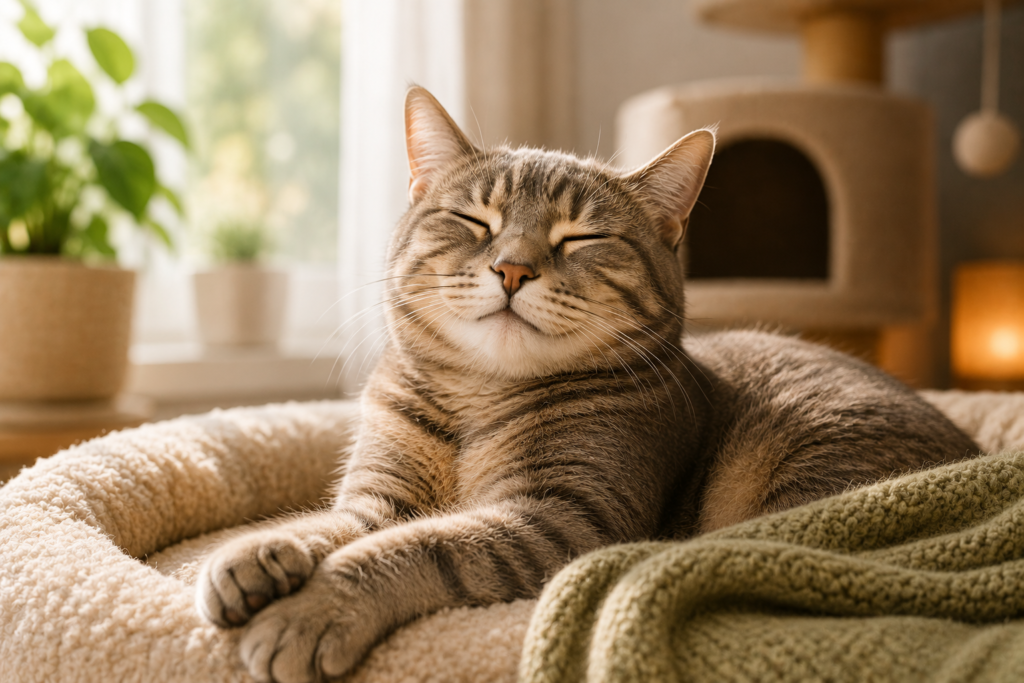
Here are simple habits that support cat mental health:
- Keep a predictable daily routine
- Give each cat separate resources
- Avoid forcing interaction
- Provide scratching posts
- Respect your cat’s personal space
- Spend quality time playing daily
Professional specialists suggest regularly observing your cat’s behavior as well, because detecting stress at the initial stage facilitates dealing.
Conclusion About Cat Stress Signs
Early identification of cat stress signs can make a significant difference to how content and healthy your cat will be.
Even if they cannot say what is bothering them, their actions, behavior, and routines will give you clear clues if there is anything troubling them.
Do not ignore cat stress symptoms such as hiding, over-grooming, refusing food, and aggression.
The seemingly small changes in behavior could very soon escalate into an issue with your cat’s mental and even physical well-being.
With enough patience and care, you should be able to overcome any stress that your cat might be experiencing.
Being observant about cat stress symptoms will enable you to create a closer relationship with your cat.
FAQs About Cat Stress Signs
Q: What are the early indicators of stress in cats?
A: The initial signs of cat stress will include hiding, loss of appetite, over-grooming, and unusual body language.
Q: Can stress cause my cat to be ill?
A: Yes. Chronic stress is known to lower the immune system, resulting in various illnesses such as digestive disorders.
Q: Why is my cat suddenly hiding?
A: Hiding indicates that the cat is experiencing some form of anxiety, fear, feeling overwhelmed, or being ill.
Q: How do I soothe a stressed-out cat naturally?
A: There are many natural ways you can calm your cat’s anxiety. You can create safe areas, keep routines, provide enrichment, and reduce stimuli.
Q: Does moving stress cats out?
A: Moving stresses your cat because it disrupts the cat’s routine life and exposes it to new, unfamiliar situations.
Q: When do I need to visit a vet?
See a veterinarian if your cat exhibits any persistent symptoms or if it exhibits severe or unusual behavior.